
Why Your Child Says “No!” All the Time (And What It Really Means)
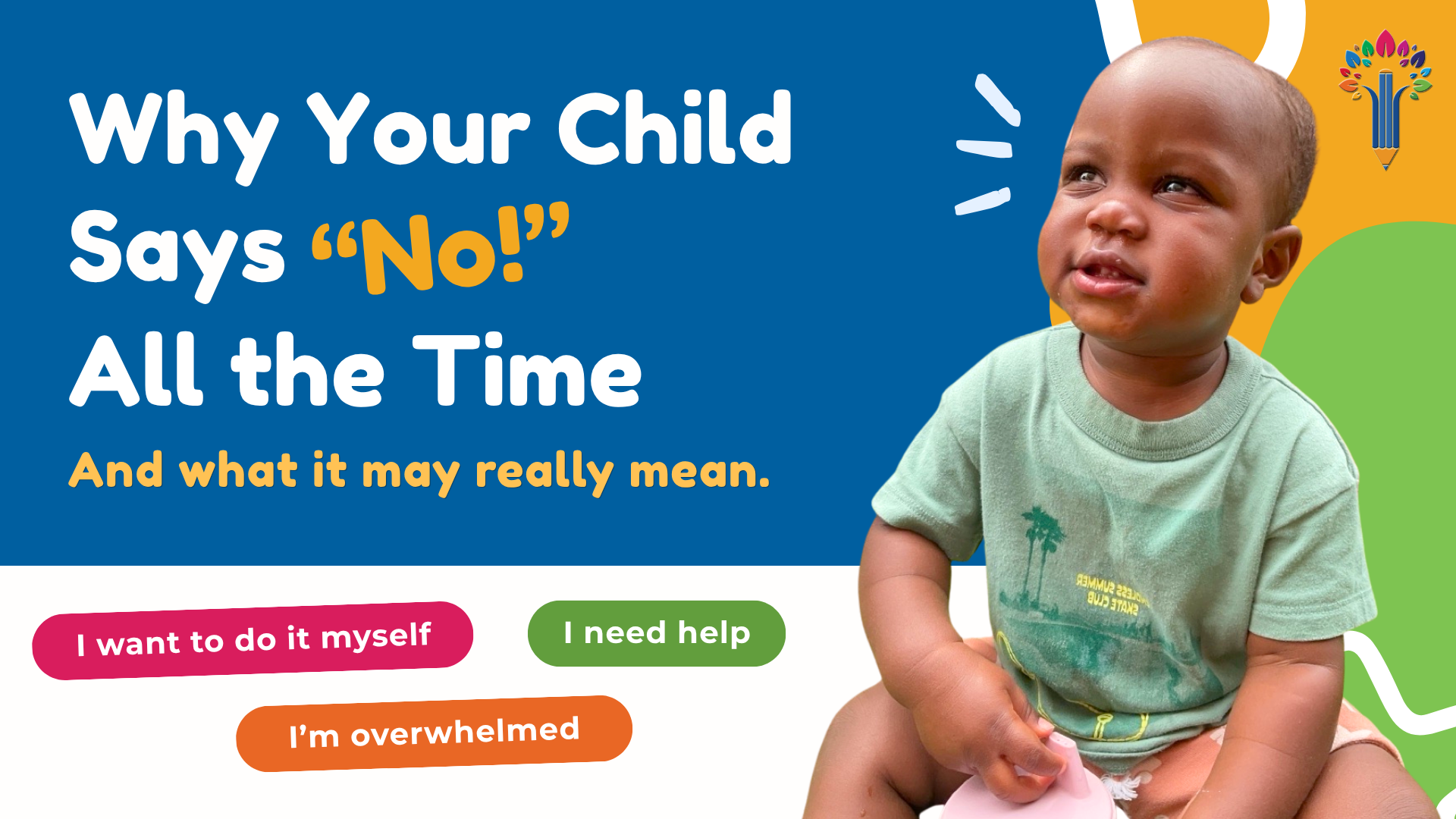
If your toddler's favorite word seems to be “NO!”, you're not alone. Here's why it happens and how to respond with patience, connection, and confidence.
“No, I don't want to!”
“No, I can do it!”
“NO!”
Sound familiar?
Whether you're trying to get your child dressed, clean up toys, leave the playground, or settle down for bedtime, hearing “no” over and over can be exhausting.
But here's something important for parents and caregivers to remember: Your child may not be trying to be difficult. They may be learning how to become independent.
At Open Minds Child Development Center, we recognize that children's behaviors are often a form of communication. Understanding what your child may be trying to express can help turn everyday challenges into opportunities for learning, connection, and growth.
Why Do Toddlers Say “No” So Much?
As young children grow, they begin discovering that they are individuals with their own thoughts, feelings, preferences, and ideas.
They want to make choices. They want to explore their independence. And sometimes, they want to do things entirely on their own.
This is a natural part of early childhood development.
During the toddler and preschool years, children are also developing language, emotional regulation, and problem-solving skills. They may know what they want but not yet have the words or emotional tools to explain it.
So instead, they say the one word that gets their message across:
“NO!”
And while it may feel like resistance, that little word can mean much more.
What Your Child's “No” Might Really Mean
Before assuming your child is refusing to cooperate, consider what might be happening beneath the surface.
“I want to do it myself.”
Your child may be practicing independence. Whether it's putting on shoes, pouring water, or choosing a toy, they want to experience the satisfaction of doing something on their own.
“I need more time.”
Young children often become deeply engaged in play. Suddenly stopping an activity can be difficult, especially when they don't fully understand what's happening next.
“I'm overwhelmed.”
Too many instructions, choices, noises, or activities can leave young children feeling overstimulated. Saying “no” may be their way of communicating that they need a break.
“I'm tired, hungry, or frustrated.”
Sometimes the explanation is as simple as an unmet physical or emotional need. When children are tired or hungry, managing frustration becomes even harder.
The takeaway for parents: Instead of focusing only on the word “no,” try looking for the need or feeling behind it.
Why Transitions Can Make Saying “No” Even More Common
Think about how your child might feel when they're having a wonderful time building a tower, playing outside, or watching their favorite show—and suddenly they're told it's time to stop.
For young children, transitions can be especially challenging.
Moving from playtime to cleanup, getting ready for school, leaving the house, or preparing for bedtime all require children to shift their attention and adjust their expectations.
And those are skills they're still developing.
That's why a simple request like “It's time to put your toys away” can sometimes lead to a very big reaction.
The good news? With consistency, preparation, and support, children can gradually learn to navigate transitions more confidently.
Five Ways to Respond When Your Child Says “No”
You don't have to eliminate the word “no” to help your child develop cooperation and emotional regulation.
Instead, focus on creating opportunities for your child to feel heard, practice independence, and understand expectations.
1. Offer Simple Choices
Children are more likely to cooperate when they feel they have some control over what happens next.
Rather than asking, “Are you ready to get dressed?” when getting dressed isn't optional, try offering two acceptable choices.
Try saying:
“Would you like to wear your blue shirt or your green shirt?”
“Do you want to put your shoes on yourself, or would you like my help?”
“Would you like to carry your backpack or hold my hand?”
Giving children age-appropriate choices helps them practice decision-making while keeping necessary boundaries in place.
2. Keep Routines Consistent
Predictable routines help children understand what to expect throughout the day.
When children know that breakfast is followed by getting dressed, or that bath time comes before bedtime, transitions can become less surprising.
Consider using simple routines, picture schedules, or familiar songs to help your child anticipate what's next.
Parent tip: Consistency doesn't mean every day has to be perfect. It means creating familiar patterns that help your child feel secure.
3. Give Warnings Before Transitions
Imagine someone suddenly interrupting you in the middle of something you enjoy. You might feel frustrated, too!
Children benefit from having time to prepare for changes.
Try saying:
“After we read one more book, it will be time for bed.”
“We're going to leave the playground after two more turns on the slide.”
“When this song ends, we'll start cleaning up.”
For younger children who don't yet understand time, concrete cues like songs, visual timers, or counting down activities can be especially helpful.
4. Stay Calm and Acknowledge Their Feelings
When a child becomes upset, it's easy for adults to feel frustrated, too.
But young children are still learning how to manage big emotions. They often need a calm, supportive adult to help them work through those feelings.
Try saying:
“I can see you're upset.”
“You really wanted more time to play.”
“It's okay to feel frustrated.”
“I'm here to help.”
Acknowledging your child's feelings doesn't mean changing every rule or giving in to every request.
It means helping them understand that all feelings are acceptable, even when certain behaviors or choices aren't.
For example:
“I know you want to stay at the park. It's hard to leave when you're having fun. We still need to go home, and I can help you.”
This approach combines empathy with clear, loving boundaries.
5. Create Opportunities for Independence
Sometimes the best way to reduce power struggles is to give children more opportunities to practice doing things themselves.
Invite your child to participate in everyday activities, such as putting toys away, washing their hands, choosing a book, or helping prepare a simple snack.
These small moments build confidence and encourage problem-solving.
At Open Minds, we believe children learn through intentional, open-ended experiences that encourage curiosity, exploration, and individual growth.
Independence isn't something children develop overnight. It's a skill they build through practice, encouragement, and support.
What If My Child Still Says “No”?
Even with consistent routines and positive parenting strategies, your child will still have difficult moments.
That's normal.
The goal isn't to raise a child who never disagrees or gets frustrated. The goal is to help your child gradually learn how to express their needs, manage emotions, make decisions, and navigate boundaries.
When a challenging moment happens, remember:
When a challenging moment happens, remember:
Connect before correcting. Help your child feel heard before expecting them to problem-solve.
Keep expectations age-appropriate. Toddlers are still developing self-control and language skills.
Be consistent with boundaries. Children can have big feelings while adults maintain necessary limits.
Celebrate progress. Recognize when your child makes a choice, asks for help, or manages a difficult transition.
If your child's reactions are consistently intense, interfere significantly with daily life, or raise concerns about their development, consider discussing them with your pediatrician. Every child develops differently, and families deserve support when they need it.
How Open Minds Supports Social-Emotional Development
At Open Minds, we believe early childhood education is about much more than preparing children academically.
It's about nurturing the whole child.
Through intentional, play-based learning experiences, our educators support children's cognitive, social, emotional, language, physical, and creative development.
Our teachers work to understand each child's individual interests and needs while modeling positive behaviors and helping children build confidence, independence, and relationships.
We also recognize that parents and caregivers are children's first and most important teachers.
That's why we value strong partnerships with families as we work together to support children's growth both in the classroom and at home.
Every “No” Is an Opportunity to Grow
The next time your child says “no,” remember that you may be witnessing an important stage of development.
Behind that little word could be a child learning to make decisions, express emotions, ask for help, or discover what they're capable of doing independently.
With patience, connection, and consistent support, those challenging moments can become meaningful learning experiences.
Raising confident, capable children isn't about teaching them never to say “no.” It's about helping them understand their feelings, communicate their needs, and grow into who they're becoming.
Discover the Open Minds Difference
At Open Minds Child Development Center, play has purpose, and every child has a place.
Our nurturing educators create intentional learning experiences that help children develop confidence, independence, and a lifelong love of learning.
Ready to see how we help little minds grow?
Schedule a Tour and discover the Open Minds difference.